Industrial Automation: Transforming Modern Manufacturing
Industrial automation has become the backbone of modern manufacturing and production facilities. From automotive plants and food processing lines to logistics centers and energy systems, automation technologies are reshaping how industries operate—making them faster, safer, more efficient, and more competitive in a global market.
As labor shortages increase and quality demands become stricter, companies are turning to automation not just as an upgrade, but as a necessity.
What Is Industrial Automation?
Industrial automation refers to the use of control systems, robotics, sensors, and software to operate industrial processes with minimal human intervention. These systems monitor inputs, make decisions, and control machinery to achieve consistent and repeatable results.
Automation ranges from simple relay-based control to advanced smart factories powered by data analytics and artificial intelligence.
Core Components of Industrial Automation
1. Programmable Logic Controllers (PLCs)
PLCs are the brains of automated systems. They execute control logic, process sensor inputs, and control outputs such as motors, valves, and actuators. PLCs are known for their reliability and ability to operate in harsh industrial environments.
Popular PLC platforms include solutions from Allen-Bradley, Siemens, and Schneider Electric.
2. Industrial Robots and Cobots
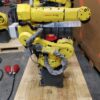
Industrial robots handle tasks such as welding, palletizing, assembly, painting, and material handling. Collaborative robots (cobots) are designed to work safely alongside humans, making automation accessible to small and medium-sized businesses.
Robots improve repeatability, reduce cycle times, and eliminate human exposure to hazardous tasks.
3. Sensors and Vision Systems
Sensors provide real-time feedback on position, temperature, pressure, proximity, and safety conditions. Vision systems enable inspection, measurement, and guidance for robots and machines.
Manufacturers like SICK and Keyence play a critical role in modern automation systems.
4. Safety Systems
Safety is a critical part of automation. Light curtains, safety laser scanners, safety relays, and safety PLCs protect workers while allowing machines to operate efficiently.
Advanced safety systems enable safe motion, zone monitoring, and controlled stops, ensuring compliance with international safety standards.
5. HMIs and SCADA Systems
Human-Machine Interfaces (HMIs) allow operators to interact with machines, view system status, and diagnose faults. SCADA systems provide higher-level monitoring, data logging, and remote control across entire facilities.
These systems improve visibility, reduce downtime, and support data-driven decision-making.
Benefits of Industrial Automation
Increased Productivity
Automated systems operate continuously with consistent cycle times, significantly increasing output compared to manual processes.
Improved Quality and Consistency
Automation reduces human error and ensures repeatable results, which is critical for industries with strict quality requirements.
Enhanced Workplace Safety
By removing operators from hazardous environments, automation reduces workplace injuries and improves overall safety compliance.
Cost Efficiency Over Time
While initial investment may be high, automation lowers long-term operational costs through reduced scrap, less downtime, and lower labor dependency.
Scalability and Flexibility
Modern automation systems can be expanded or reprogrammed to adapt to new products or production requirements.
Industrial Automation and Industry 4.0
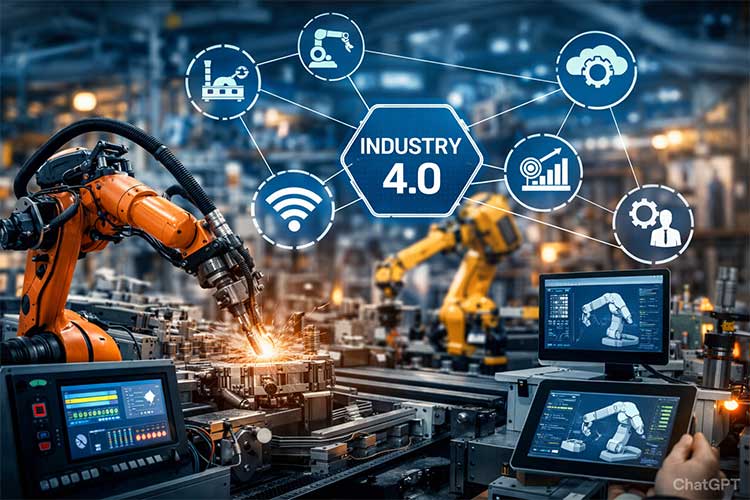
Industry 4.0 represents the integration of automation with data analytics, cloud computing, and Industrial IoT (IIoT). Machines now communicate with each other, collect performance data, and support predictive maintenance strategies.
Smart factories leverage automation not only for control, but also for insights—helping manufacturers reduce unplanned downtime and optimize energy consumption.
Used and Refurbished Automation Equipment
With rising equipment costs and supply chain delays, many businesses are turning to used and refurbished industrial automation components. When properly tested and sourced from trusted suppliers, used PLCs, robots, drives, and HMIs offer significant cost savings without sacrificing performance.
This approach allows companies to:
-
Extend the life of existing systems
-
Replace obsolete components
-
Reduce capital expenditure
-
Maintain legacy production lines
The Future of Industrial Automation
The future of automation lies in smarter, safer, and more connected systems. Advances in artificial intelligence, machine vision, and collaborative robotics will continue to lower barriers to adoption and open new possibilities across industries.
As automation technology evolves, companies that invest early gain a competitive advantage through higher efficiency, better quality, and greater operational resilience.
Final Thoughts
Industrial automation is no longer limited to large factories—it is accessible, scalable, and essential for businesses of all sizes. Whether upgrading a single machine or building a fully automated production line, automation enables manufacturers to meet today’s demands and prepare for tomorrow’s challenges.
If you’re sourcing automation equipment, integrating robotics, or maintaining legacy systems, the right automation strategy can make all the difference.